Specify the sampling point and purpose
Distinguish an incoming-water sample from a sample taken after a tank, filter or membrane stage. Agree on the test parameters, sampling method and handling requirements with the testing provider. Record the location, date and operating condition at the time of sampling. These details help make the results meaningful when a treatment proposal is reviewed.
Select water-test parameters for the decision you need to make
A water-quality test should answer an identified question. pH, conductivity and turbidity are different measurements and cannot substitute for one another. A process may also require laboratory analysis for constituents that a field meter does not establish. Agree on parameters and sample handling with the testing provider, then retain the sampling context so the report can support treatment selection or performance review.
| Requirement | What to compare | What to confirm |
|---|---|---|
| pH | Describes an acid/base measurement | It is not a complete contaminant analysis |
| Conductivity or TDS | Supports a defined dissolved-constituent assessment | It does not establish every quality requirement |
| Turbidity | Supports assessment of water clarity | A clear sample is not a complete quality test |
A selection mistake to avoid
Keep instrument readings linked to calibration, units and sampling points. An unexplained number is difficult to use in a treatment proposal.
Should the same parameter list be used for every source?
Not automatically. The source, application and purpose of testing determine the relevant programme. Confirm the scope with the responsible testing provider.
Planning the enquiry in Sabah
Supply the full report, including units, test methods where listed and any relevant site observations. Avoid sending only a cropped result without its sampling context. SWFI can use available water analysis in reviewing a treatment requirement; confirm separately whether sampling or laboratory work is included in the requested scope. Keep results for later comparison with the same sampling points.
Information to prepare
- Water source, sampling point and intended use
- Relevant parameters and sample handling
- Complete report with units and sampling context
Does a low TDS reading prove water meets every requirement?
No. TDS is only one measurement. The test programme must address the specific quality requirements and constituents relevant to the application.
Discuss your requirement with SWFI
Share your site location and the information listed above. SWFI can review the requirement; equipment selection, supply and service scope are subject to technical suitability and confirmation.
Request a consultationNeed a specific component? →Technical background and SWFI scope: CDC: choosing water filters · SWFI: systems, equipment and service information. Equipment-specific limits should be checked in the current manufacturer documentation.
Related SWFI products
Options relevant to this guide. The final model and configuration should match the application, water conditions and current availability.
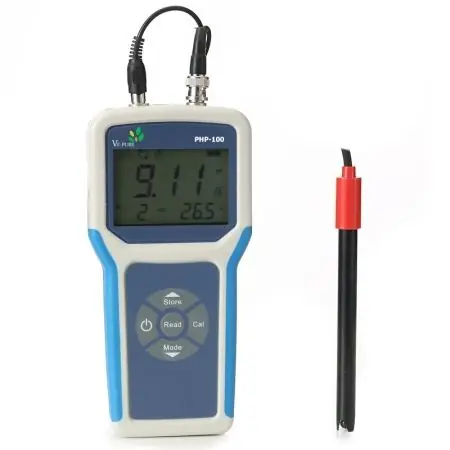
Liquid Analyzer
Portable PHP-100 pH / ORP Meter
Portable pH/ORP measurement for the relevant sampling requirement.
View product details →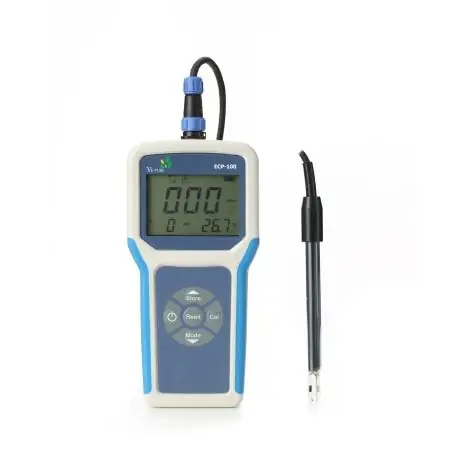
Liquid Analyzer
Portable ECP-100 Conductivity / Resistivity / TDS Meter
Portable conductivity/resistivity/TDS readings for a defined test purpose.
View product details →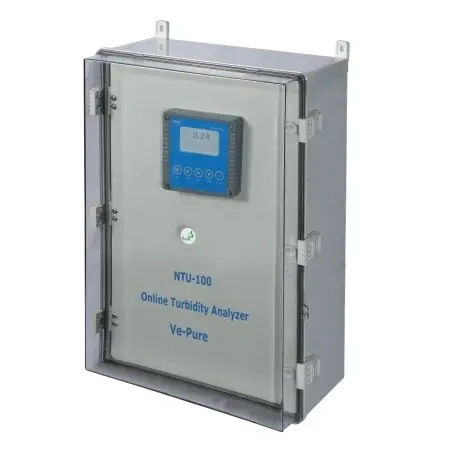
Liquid Analyzer
NTU-100 Online Turbidity Meter (Low Range)
Online turbidity measurement for a specified monitoring duty.
View product details →