Keep the sample connected to its source
Record the well, sampling point and operating condition when the sample was taken. Agree on parameters and sample handling with the testing provider. If the water passes through storage or existing treatment, identify whether the sample represents raw water or an intermediate point. These distinctions matter when interpreting the report.
Tubewell treatment starts with an identified sampling point
Separate untreated source water from water that has already passed through storage or equipment. A sample after an existing filter cannot automatically be used as the raw-water design analysis. Provide the full report and the conditions under which the well was operating. Observations such as staining or deposits help describe the problem, but their cause and treatment requirement still need assessment.
| Requirement | What to compare | What to confirm |
|---|---|---|
| Untreated-source sample | Establish incoming-water information | Record the well and operating condition |
| Intermediate sample | Assess an existing treatment stage | Identify upstream equipment and storage |
| Final-use sample | Assess the required outcome | Use the relevant parameters and sampling method |
A selection mistake to avoid
An iron-removal product should not be selected from staining alone. Confirm the water constituents and the chosen media’s operating requirements.
Why are iron media only options to discuss here?
They are relevant if the analysis establishes an iron-treatment duty. They are not presented as a diagnosis of every tubewell or a complete treatment specification.
Planning the enquiry in Sabah
Supply the full analysis, pump details, expected demand and any existing treatment records to SWFI. Include observed staining, deposits or changes in flow as site information without treating them as a diagnosis. SWFI lists tubewell treatment in its service scope; final process selection should follow the actual results and application requirements.
Information to prepare
- Well identity and sampling context
- Test scope agreed with the testing provider
- Pump, demand and existing treatment records
Can staining identify every constituent in tubewell water?
No. It is useful site information, but the relevant water analysis is needed to establish the treatment requirement.
Discuss your requirement with SWFI
Share your site location and the information listed above. SWFI can review the requirement; equipment selection, supply and service scope are subject to technical suitability and confirmation.
Request a consultationNeed a specific component? →Technical background and SWFI scope: CDC: choosing water filters · SWFI: systems, equipment and service information. Equipment-specific limits should be checked in the current manufacturer documentation.
Related SWFI products
Options relevant to this guide. The final model and configuration should match the application, water conditions and current availability.
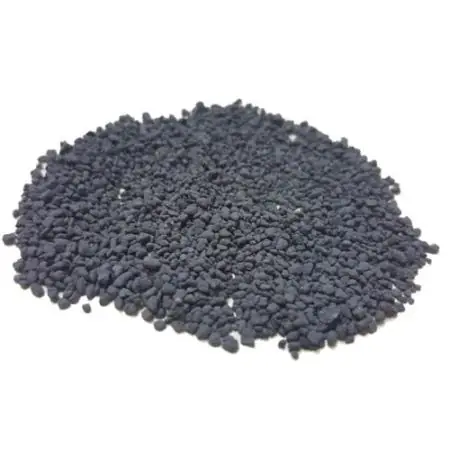
Iron Removal Media
BIRM
An iron-treatment media option; confirm its feed and operating requirements.
View product details →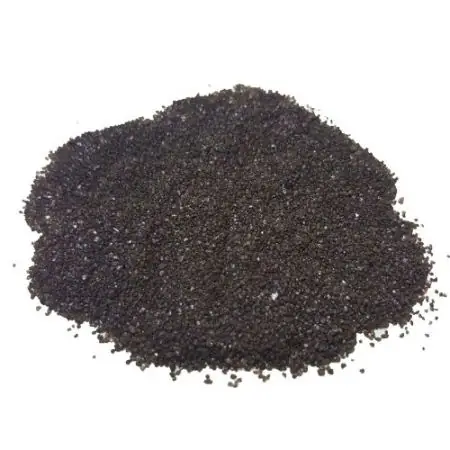
Iron Removal Media
DMI 65
A catalytic media category for an iron-treatment assessment.
View product details →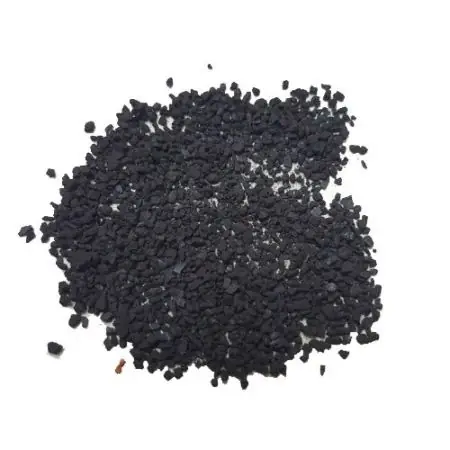
Iron Removal Media
Iron Treat
An iron-removal media category to compare against water analysis.
View product details →