Map the complete process boundary
Identify feed storage, pretreatment, RO, any polishing stage and product-water storage. Include concentrate handling and the infrastructure needed for cleaning or service. State which equipment is included in the supply and which connections or building works remain with the site. Clear boundaries reduce gaps between the equipment proposal and installation plan.
Plan the RO plant water balance and storage
A plant brief should connect production to the time available for treatment and the pattern of downstream use. Storage can buffer a short demand peak, but it cannot compensate for insufficient total production. Include feed, permeate and concentrate streams in the water balance. Then consider installation space, utilities, cleaning access and the instrumentation needed to operate the selected arrangement.
| Requirement | What to compare | What to confirm |
|---|---|---|
| Production schedule | Compare required volume with operating time | Allow for the actual process duty |
| Storage | Identify buffering and distribution needs | Do not use it to hide insufficient production |
| Supporting components | Coordinate pumps, membranes and controls | State the supply and installation boundary |
A selection mistake to avoid
Do not optimise one skid parameter while leaving the storage or discharge arrangement undefined. The proposal should account for the complete plant.
What is the difference between plant capacity and peak draw?
Plant capacity describes production over time. Peak draw describes water taken by users or equipment during a shorter interval; storage and distribution must be reviewed alongside production.
Planning the enquiry in Sabah
Set out normal demand, peak demand and the time available to replenish storage. Provide the latest feed analysis and operating assumptions. For projects outside Kota Kinabalu, include delivery access and the site’s shutdown arrangements. SWFI can review membrane-system requirements together with pumps, valves and supporting treatment components, subject to project suitability.
Information to prepare
- Process diagram and equipment scope boundary
- Water balance, storage and operating schedule
- Utilities, access and maintenance provisions
Can storage compensate for every undersized plant?
No. Storage can buffer timing differences, but the plant must still produce sufficient water over the available operating period.
Discuss your requirement with SWFI
Share your site location and the information listed above. SWFI can review the requirement; equipment selection, supply and service scope are subject to technical suitability and confirmation.
Request a consultationNeed a specific component? →Technical background and SWFI scope: SWFI: systems, equipment and service information. Equipment-specific limits should be checked in the current manufacturer documentation.
Related SWFI products
Options relevant to this guide. The final model and configuration should match the application, water conditions and current availability.
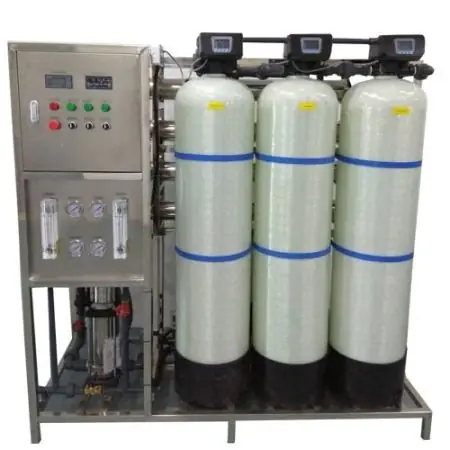
Reverse Osmosis Skid
Reverse Osmosis Skid
A packaged RO system category for a defined permeate duty.
View product details →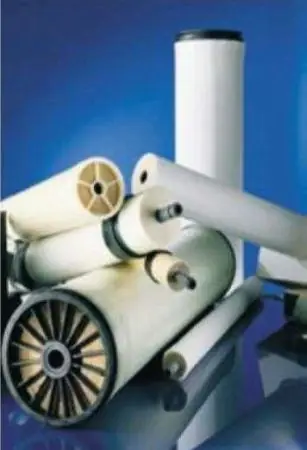
RO Membrane
VEPURE RO Membrane
An RO membrane component; match element and operating requirements.
View product details →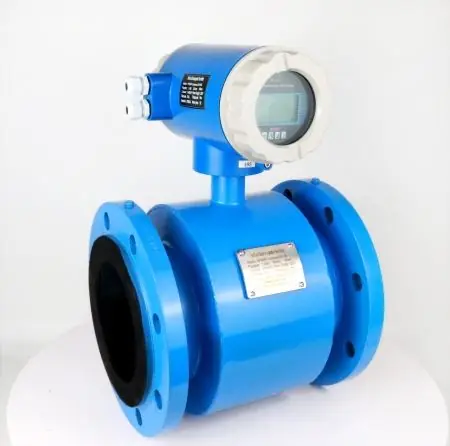
Flow Meter
VPEMF Series Electromagnetic Flow Meter
Flow measurement for the relevant process or commissioning duty.
View product details →