Specify the process before the skid
Distinguish the product-water flow from the incoming feed flow and the concentrate stream. The design review should consider membranes, pretreatment, pumping, monitoring and the destination of each stream. A catalogue capacity cannot be assumed to apply unchanged to every feed water or temperature. Require the design assumptions to be stated in the proposal.
Industrial RO: permeate quality, production and recovery
An RO skid separates feed water into permeate and concentrate. The design must address the quality and amount of permeate the process needs, while allowing the concentrate stream to be handled appropriately. Recovery describes the relationship between the feed and product streams; it is not the same as contaminant rejection. Feed analysis, temperature and membrane selection belong in the engineering review.
| Requirement | What to compare | What to confirm |
|---|---|---|
| Permeate flow | Defines the treated-water production duty | State the operating hours and peak requirement |
| Permeate quality | Defines the process acceptance target | State parameters and measurement points |
| Recovery and concentrate | Define the water balance | Assess feed chemistry and concentrate handling |
A selection mistake to avoid
Avoid transferring an advertised capacity or rejection percentage to a different feed water. Require the proposal’s design conditions to be stated.
When should an existing industrial RO system be assessed?
When production or water quality changes, compare operating trends and pretreatment performance before choosing membrane cleaning, replacement or other corrective work.
Published SWFI project example in Sabah
SWFI’s published Nam Heng Safety Glass (Sabah) Sdn Bhd case describes industrial RO servicing for a glass-production line in KKIP, Kota Kinabalu. The documented scope includes pretreatment work and renewal of RO consumables. It provides a local example of reviewing the complete treatment process during a service assessment.
Planning the enquiry in Sabah
Explain whether production is continuous, batch-based or variable across shifts. Include the available storage and acceptable shutdown periods. SWFI lists industrial RO service support and membrane systems, allowing the enquiry to address both the new system and maintenance requirements. Agree on commissioning measurements so the installed system has a recorded baseline for future assessments.
Information to prepare
- Feed analysis and product-water specification
- Normal and peak output with operating hours
- Pretreatment, concentrate handling and monitoring
Is RO selected only when water looks dirty?
No. Dissolved constituents may not be visible. Water analysis and the process specification establish whether RO is an appropriate treatment stage.
Discuss your requirement with SWFI
Share your site location and the information listed above. SWFI can review the requirement; equipment selection, supply and service scope are subject to technical suitability and confirmation.
Request a consultationNeed a specific component? →Technical background and SWFI scope: SWFI: systems, equipment and service information. Equipment-specific limits should be checked in the current manufacturer documentation.
Related SWFI products
Options relevant to this guide. The final model and configuration should match the application, water conditions and current availability.
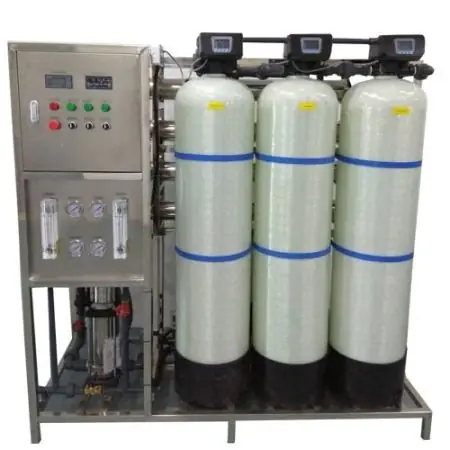
Reverse Osmosis Skid
Reverse Osmosis Skid
A packaged RO system category for a defined permeate duty.
View product details →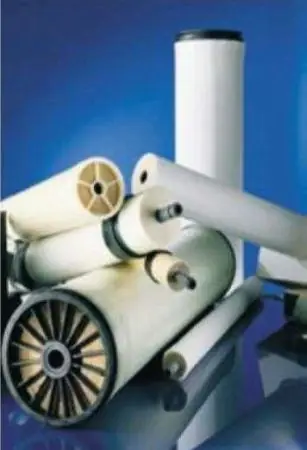
RO Membrane
VEPURE RO Membrane
An RO membrane component; match element and operating requirements.
View product details →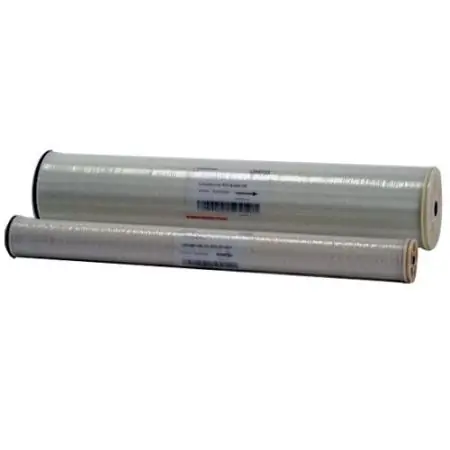
RO Membrane
Lewabrane RO Membrane
An RO membrane category for a compatible system or replacement review.
View product details →