Use system records to guide the review
Provide feed and product quality, flows, pressures and temperature where available. Include the membrane identity and previous cleaning history. The assessment should distinguish membrane condition from pump, instrument or pretreatment issues. Cleaning chemistry and operating conditions must follow the requirements of the actual membrane and system; a generic recipe should not be applied to every installation.
Membrane CIP begins with a performance assessment
Membrane clean-in-place is one possible service response, not the automatic answer to every production change. Review feed conditions, flows, pressures, quality readings and the membrane identity. Compare trends using an appropriate operating context, including temperature where relevant. The investigation should distinguish fouling or scaling concerns from pump, instrumentation or other process faults before selecting cleaning or replacement.
| Requirement | What to compare | What to confirm |
|---|---|---|
| Performance records | Review production and quality trends | Keep the measurement context consistent |
| Cause assessment | Review pretreatment and supporting equipment | Do not diagnose from one symptom alone |
| Service scope | Review cleaning suitability and post-service checks | Follow the actual membrane documentation |
A selection mistake to avoid
Avoid a generic cleaning recipe. Chemistry and conditions must be appropriate for the specific membrane and system being serviced.
When should membrane replacement be considered instead of CIP?
Base that decision on the membrane assessment and service findings. Review condition, compatibility and performance evidence before deciding whether cleaning, replacement or other corrective work is appropriate.
Published SWFI project example in Sabah
SWFI’s published Nam Heng Safety Glass (Sabah) Sdn Bhd case describes industrial RO servicing for a glass-production line in KKIP, Kota Kinabalu. The documented scope includes pretreatment work and renewal of RO consumables. It provides a local example of reviewing the complete treatment process during a service assessment.
Planning the enquiry in Sabah
SWFI lists RO and UF membrane CIP among its service offerings. Describe the observed changes and available shutdown window when enquiring. Agree on the inspection, cleaning and post-service measurement scope. Keep the final report so future performance reviews can use a documented history instead of relying only on the last cleaning date.
Information to prepare
- Membrane identity and operating trends
- Pretreatment condition and previous CIP records
- Shutdown window and post-service checks
Should a system be cleaned whenever production falls?
Investigate the cause first. Feed conditions, equipment faults and measurement issues can also affect the observed performance.
Discuss your requirement with SWFI
Share your site location and the information listed above. SWFI can review the requirement; equipment selection, supply and service scope are subject to technical suitability and confirmation.
Request a consultationNeed a specific component? →Technical background and SWFI scope: SWFI: systems, equipment and service information. Equipment-specific limits should be checked in the current manufacturer documentation.
Related SWFI products
Options relevant to this guide. The final model and configuration should match the application, water conditions and current availability.
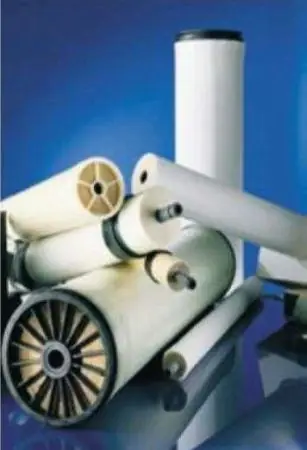
RO Membrane
VEPURE RO Membrane
An RO membrane component; match element and operating requirements.
View product details →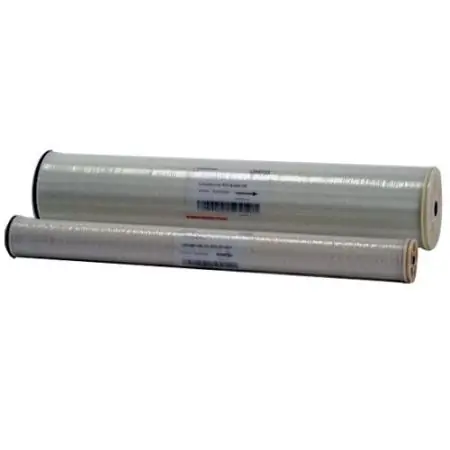
RO Membrane
Lewabrane RO Membrane
An RO membrane category for a compatible system or replacement review.
View product details →